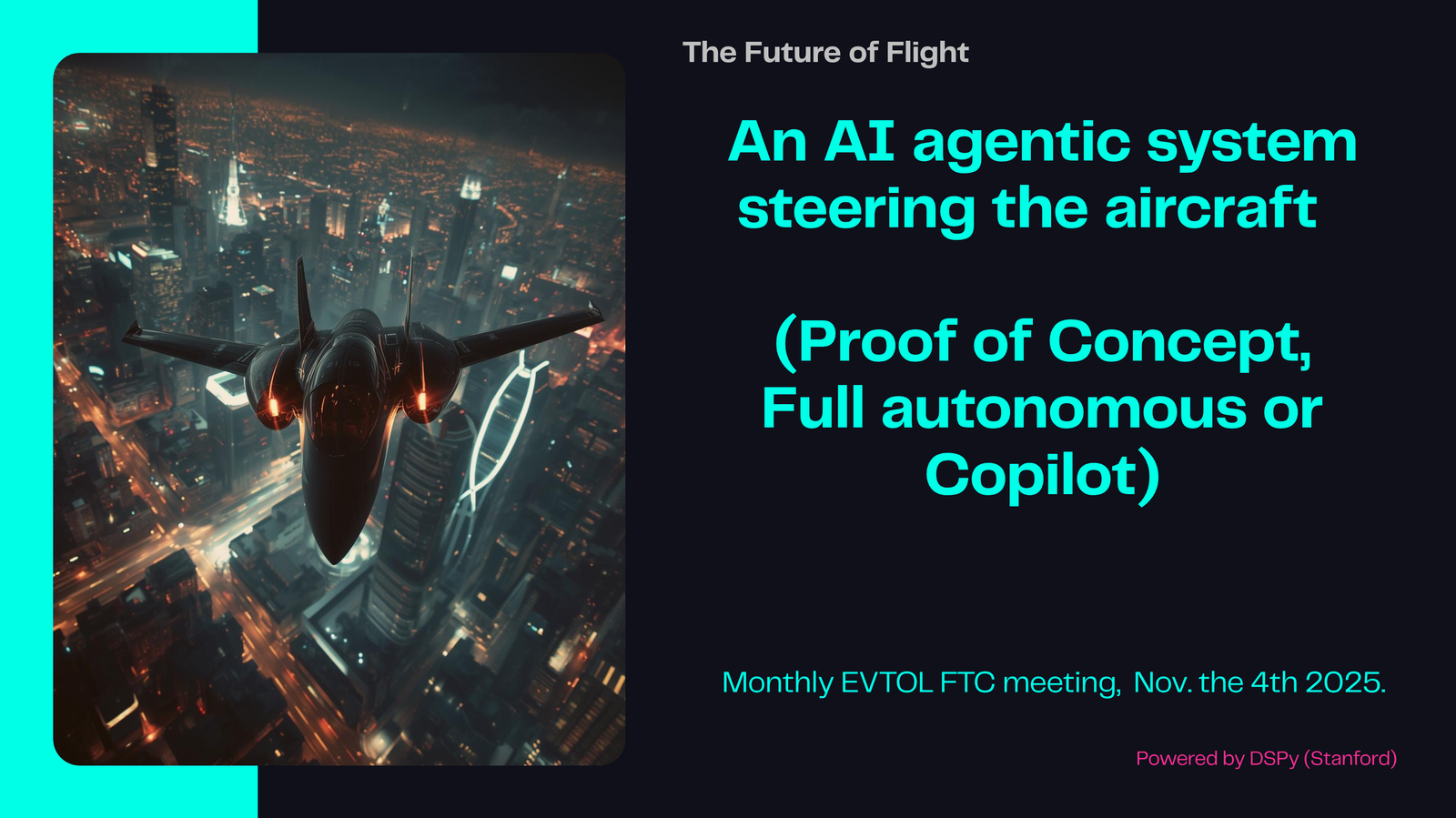
A prototype or agentic system designed (or only sold) by your provider should make you ask :
- whether you get access to solutions that actually perform (need and client satisfaction),
- what usage really costs (and the other hard questions around AI).
Bespoke is always on the slide deck, yet in practice it rarely survives providers’ preference for partner products and solutions reused from earlier projects. The goal is lower marginal cost (the SaaS mantra) or managing technical debt.
Generic can still be pragmatic when expected metrics differ by user; one reason is believing pure players do not exist yet ! Perhaps the planned changes look modest and low-risk on cost.
But in a software world long dominated by generic tools, you may pick the best available option and forget real needs or curb your creativity. That is also what AI is meant to shake up !
A studio shines when simple tasks remain numerous and staff can see connections to build. For internal processes, before cancelling a SaaS subscription, you can use it as inspiration for an improved version. Capture the team’s extra needs. At that stage, experiments on Claude are an excellent medium for exchange and save studio time because intentions are visible. Then broaden to alternative, novel uses and past and present limitations, which likely differ.
Nothing stops you experimenting alongside what exists. That removes time pressure.
Imagine a studio building the CEO’s single dashboard as imagined (and well described), or modern conversational systems that query inventory.
Because the system is new and plugs straight into your data, the move from test and refinement to production stays calm: nothing legacy is touched until it is replaced.
In short, a studio can deliver optimal agentic AI benefits: productivity gains or finally covering needs that legacy tools never fully met. For an investment well below current generic market prices.
Employment questions are sensitive and need pragmatism; we bring objective elements in the audit, run by our designers, not consultants.
Algorithms and agents are central, but our studio has also worked extensively in real-time software and aeronautics, so we understand, for example, the intent behind regulations such as the EU AI Act and can exceed them, while complexity narratives from some actors slow adoption but mainly shore up an expertise image that is often lacking.
Our approach frees you from that noise and applies best practice without boring you, unless an issue affects interfaces, specifications, or cost.
All of this is already assessed exhaustively at proposal stage.
Those adjacent AI topics are sometimes better handled by the designers themselves (full, fast development cycles, potentially unmatched on performance and whole-project optimisation).
For clarity and efficiency, the studio business model fully integrates these concerns to best practice, including scaling.